- Using the Right Lubricant
- Avoiding Contamination
- Lubricant Analysis
Using the Right Lubricant
Lubricants come with a wide variety of features, viscosities, and thicknesses. Choosing the right lubricant is critical when putting a new machine into operation, or maintaining an older piece of equipment. In most cases, you can find lubricant recommendations in the operating manual. However, that may mean ending up with different brands of lubricants for the same type of application. Another solution is to consult with your lubricant supplier as you may already have a lubricant on hand that fits this application.
Several factors come into play when it comes to lubricant selection, including performance requirements, the possibility of lubricant consolidation, purchasing procedures, and delivery.
Avoiding Contamination
For many facilities, contamination is the number one problem found in lubrication management. As a result, great lubrication focuses are contamination control and cleanliness control. Cleanliness control is the process of adding only clean lubricants to equipment. On the flip side, contamination control is the process of maintaining the cleanliness of lubricants in operation.
Storage of lubrication is a determining factor for life cycle and condition. Additionally, storage and organization directly impact identification and use. If you clearly organize and color-code your lubrication storage area, your technicians are far less likely to accidentally cross-contaminate lubricants.
When a lubricant is prepared for application, care must be taken to ensure integrity, safety, and environmental protection. Filtering a new lubricant before use is one proactive practice towards cleanliness control.
Lubricant Analysis
The best way to keep your lubricant in great shape is to monitor it with in-line sensors or through sampling and laboratory analysis. Monitoring the health of lubricants is easy with the help of oil analysis. Its objectives include confirming the lubricant’s quality and type, measuring its health and condition, estimating its remaining useful life, locating the causes of failures, identifying and measuring contaminants and abnormal wear, and supporting the optimization of lubrication intervals and other maintenance procedures.
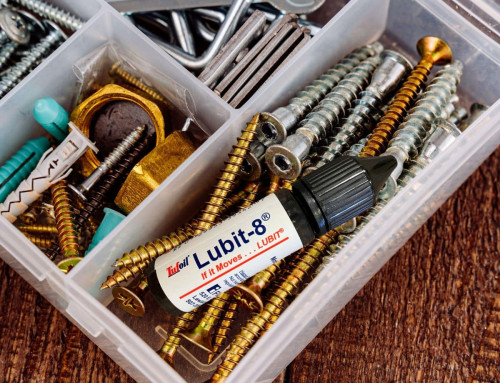
Fluoramics offers a wide variety of lubricants and greases, including greases such as LOX-8 that are fire resistant, safe to use with oxygen and other harsh chemicals, and Chem-8 for use in aqueous systems. Lubricants include engine oil additives such as Tufoil Engine Treatment and Tufoil for Industrial Use, plus specialty lubricants Tufoil Air Tool Oil, Compu-Lube for robotics, and Tufoil Lubit-8 for power tools, bearings, hinges and locks. We also offer Tufoil High Temperature Spindle Grease and Tufoil Lightning Grease. Our engineers can talk with you about your specific needs, and recommend the best product. “Ask an Engineer” by calling +1 507 205 9216 or through the Ask an Engineer portion of our website.